
The History of the Honeymoon: A Wedding Tradition Loved by St. Louis Couples
Today, a honeymoon usually means a relaxing trip after the wedding — a beach getaway, a mountain cabin, or an adventure somewhere special. It’s a time for newlyweds to unwind after months of planning and begin married life together. But the tradition of the honeymoon actually goes back hundreds of years, and its origins are far more interesting than many people realize.
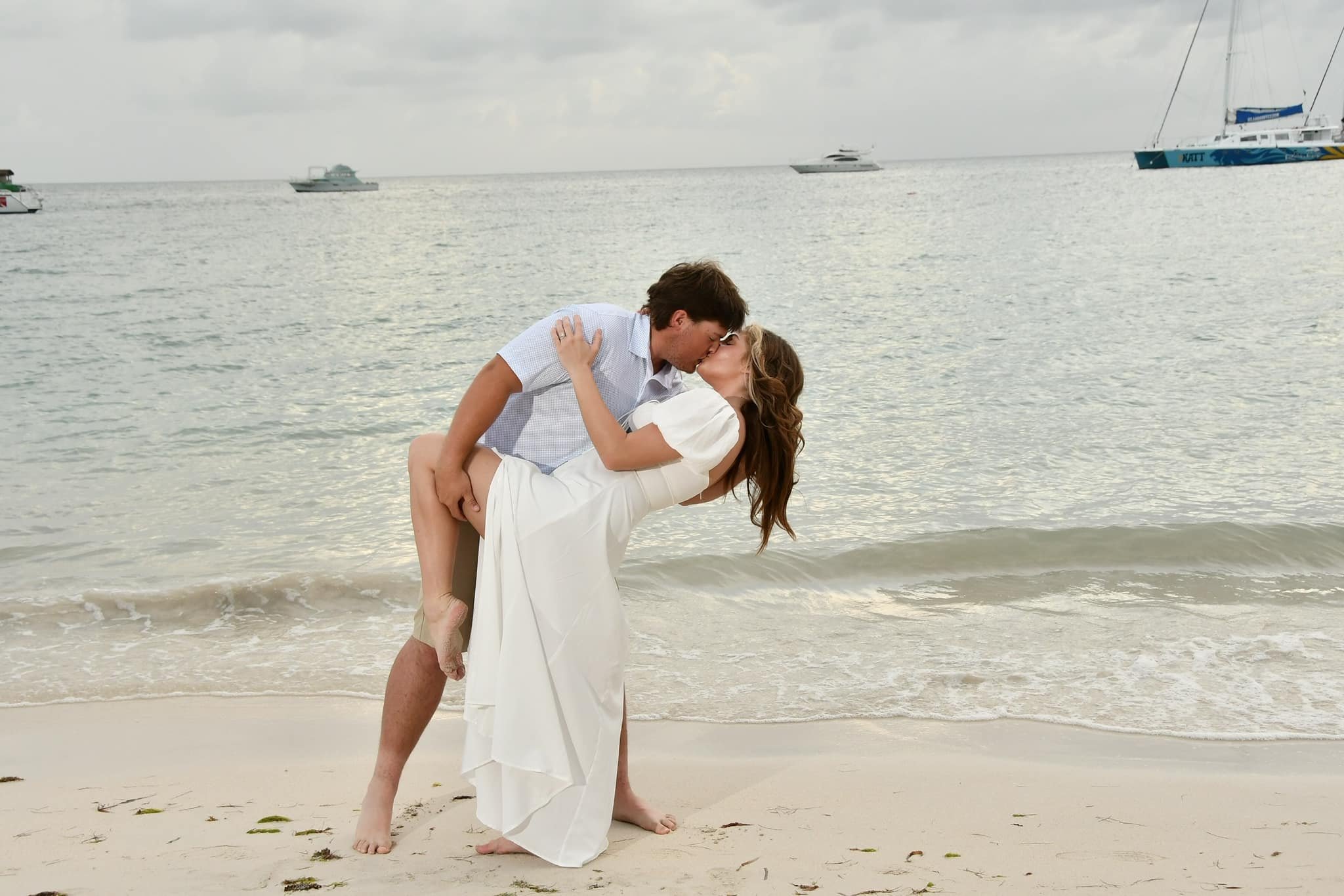
Honey, Mead, and the First Month of Marriage
One of the most widely accepted origins of the word honeymoon comes from medieval Northern Europe. After a wedding, newly married couples were often given mead, an alcoholic beverage made from fermented honey and water. Mead was one of the oldest alcoholic drinks in the world and was considered a special drink used during celebrations and important life events. Honey itself carried strong symbolic meaning. In many cultures, honey represented:
• sweetness in life
• prosperity and abundance
• health and vitality
• fertility and the hope for children
Because of these associations, honey and honey-based drinks became closely connected to marriage. In parts of medieval Europe, it was customary for the bride’s family to provide the couple with enough mead to last one full lunar cycle, or about 28 days. During this time, the couple would drink the mead together after the wedding.
Why a lunar cycle?
Because early calendars were often based on the phases of the moon. A full “moon” represented the first month of marriage. People also believed that honey and mead could increase fertility and help newlyweds conceive a child. Producing heirs was considered an important part of marriage, so this first “moon of honey” symbolized both sweetness and the hope for a successful family. Over time, the phrase “honeymoon” came to describe the first month of marriage — the period when love was believed to be at its sweetest. Eventually, writers began using the word metaphorically to describe the joyful early stage of a relationship before everyday life settled in.
Curious what medieval newlyweds may have been drinking? You can see a simple modern recipe for honey mead here.
The Viking “Bride Capture” Theory
Another theory about the honeymoon tradition comes from ancient Northern European customs. In some early societies, marriages were not always arranged peacefully between families. A groom might literally “carry off” or elope with his bride, and the couple would hide together while the bride’s family searched for them. This hiding period could last about one lunar cycle, the same length of time associated with the honey-mead tradition. During that month, the couple would remain together in seclusion, beginning their life as husband and wife. Some historians believe this private first month may have contributed to the idea of a honeymoon — a time when the newlyweds withdraw from the world and focus only on each other. Thankfully, modern weddings are much less dramatic.
The 19th Century “Bridal Tour”
The honeymoon as we know it today — a romantic trip after the wedding — didn’t really become popular until the 1800s. Among wealthy European couples, it became fashionable to take what was called a “bridal tour.” After the wedding, the couple would travel together to visit family members and friends who had not been able to attend the celebration. These bridal tours could last several weeks and often involved visiting multiple towns or estates. At the time, this type of travel was mainly possible for wealthier families or couples who worked within family businesses, farms, or estates where time away was easier to manage. For many in the upper classes, employment was tied to family land, trade, or inherited responsibilities rather than structured work schedules. This flexibility made extended travel more practical. As the 19th century progressed, improvements in transportation — especially railroads — made travel faster and more accessible. At the same time, cultural attitudes toward marriage began to emphasize companionship and romance more strongly than in earlier centuries. Because of this shift, the purpose of the bridal tour gradually changed. Instead of traveling mainly to visit relatives who could not attend the wedding, couples began taking trips simply to enjoy time together as newlyweds. By the late 19th century, the honeymoon had evolved into something closer to what we recognize today — a romantic getaway marking the beginning of married life rather than a family obligation.
The Victorian Era and the Rise of Romantic Travel
During the Victorian era, improvements in transportation — especially railroads — made travel much easier. Couples began taking trips to scenic destinations such as:
• coastal resorts
• mountain retreats
• countryside estates
• spa towns
These trips symbolized the start of a new life together and became a cherished part of wedding culture. By the early 20th century, honeymoons were firmly established as a tradition for newly married couples.
The Honeymoon Today
Today, honeymoons look very different from medieval honey wine traditions or Victorian bridal tours. Couples now celebrate their marriage in ways that reflect their personalities — whether that means traveling to a tropical beach, exploring a new country, or enjoying a quiet getaway. But the meaning behind the honeymoon remains surprisingly similar to its earliest origins. It is still a time set aside for the couple to step away from the world, celebrate their new marriage, and begin their life together.
A Sweet Beginning
At Berkshire Ridge, just outside St. Louis, couples begin their wedding day surrounded by family, friends, and the beauty of the countryside. From there, many head off to begin their honeymoon adventures — continuing a tradition that has evolved for centuries. Whether it once involved honey wine, hidden elopements, or Victorian travel, the honeymoon has always represented the same thing: The sweet beginning of married life.
From Our Venue to Your Love Story - Kim
Planning a Wedding Near St. Louis?
Berkshire Ridge is located at 11382 State Hwy CC, Blackwell, Missouri, serving couples throughout St. Louis, Farmington, Festus, Arnold, Hillsboro, and the surrounding areas of Southeast Missouri.
Our venue offers beautiful outdoor ceremony space, panoramic countryside views, and a spacious indoor reception space designed to make your wedding day feel both relaxed and unforgettable.
If you’re beginning your wedding planning journey, we’d love to show you around.
Call or text Kim at 314-605-2265 or visit Berkshire Ridge online to schedule a private tour.
And be sure to explore our other blog posts where we share wedding traditions, planning tips, and inspiration for couples getting married near St. Louis.
Berkshire Ridge is a locally owned and operated business just south of St. Louis, Missouri. We sincerely hope to encourage our couples to learn more about the value and importance of choosing a locally owned business when it is time to book your wedding venue and vendors. Locally owned venues will offer a high level of hospitality, attentive communication and a desire to ensure your wedding exceeds expectations. We are thrilled to support wedding venue owners from around the country with a shout out in our blog!
Check Out my Venue Friend’s Blog on Best Honeymoon Locations: Celestial Farms